Gestaltango: Where Tango Meets Gestalt Therapy — A Transformative Method Born in Toronto and Blossomed around the World
Gestalt therapy, Gestaltango, Pablito, Pavlos Mavromatis, Thessaloniki tango, Toronto tango, body awareness, cathartic dance, dance therapy, dance workshops, emotional intelligence, improvisation, mindfulness, partner connection, presence, relational patterns, self-discovery, somatic awareness, tango exercises, tango therapy
In a world where dance has long been used as a vehicle for expression, healing, and connection, a new modality has quietly taken form, one that integrates the emotional intelligence of psychotherapy with the embodied wisdom of tango. This method is called Gestaltango, and its creator, Pavlos Mavromatis, known in the global tango community as Pablito, has spent over 21 years refining his approach into a human-centered practice that bridges movement, awareness, and relational connection.
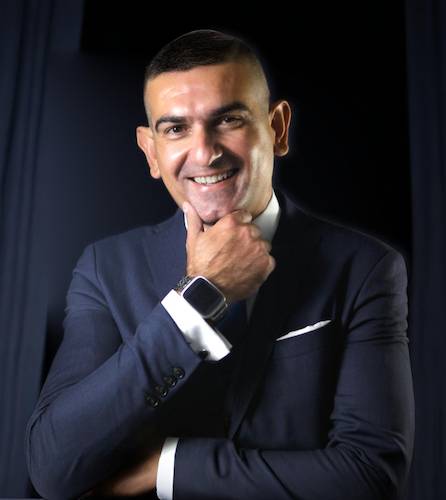
Pavlos Mavromatis is an international tango dancer, educator, and coach with over two decades of experience in teaching, performing, and researching tango practices worldwide. He is a trainee in Gestalt Therapy and an independent researcher with a focused interest in Gestalt-based phenomenology, relational processes, and embodied awareness. Drawing on sustained engagement with Gestalt theory, he has systematically adapted selected Gestalt principles into tango-based pedagogical frameworks, emphasizing presence, embodied perception, dialogical interaction, and mindful partner communication. His approach has evolved through longitudinal teaching practice, structured observation, and iterative experimentation across both group and individual learning contexts, integrating dance pedagogy with insights from psychology, embodiment studies, and relational dynamics.
Gestaltango began to take shape during Pavlos’ deep engagement in tango pedagogy and exploration of Gestalt-inspired ideas.
- 2010–2019, Toronto: Gestaltango began to take shape during Pavlos’ deep engagement in tango pedagogy and exploration of Gestalt-inspired ideas.
- 2016, Los Angeles & San Francisco: Early workshops and labs introduced Gestaltango to West Coast U.S. psychotherapy communities, allowing initial testing and refinement.
- 2017, Chicago & Milwaukee: Workshops and labs expanded the method’s practice and adaptation with Midwest U.S. general public.
- 2018, New York & Boston: Workshops and labs were conducted to test and refine the method with international students and with local dancers.
- 2019, Vancouver & Seattle: Additional events allowed further experimentation, refinement, and sharing of Gestaltango with diverse communities.
- 2020, Thessaloniki (Pavlos’ birth city): The method was solidified through workshops, private coaching, and experimental labs, refining exercises, structure, and teaching approach. Introduced at the international tango dance event, Thessaloniki Tango Party, the largest tango festival in Greece.
Today, Gestaltango by Pavlos Mavromatis is a structured yet flexible pathway for the general public, educators, couples, and anyone seeking a deeper connection with self and others, accessible to both newcomers and experienced tango practitioners. Its grounding in extensive practical experience, observation, and human-centered exploration makes it both credible and transformative.
What Is Gestaltango?
Gestaltango is a hybrid discipline integrating the foundational principles of Gestalt therapy, presence, awareness, sensation, co-regulation, and authenticity, with Argentine tango (tango) and its psycho-somatic architecture.
A Clearer Theoretical Grounding: Linking Tango, Movement Therapy, and Gestalt Principles
Gestaltango, developed by Pavlos Mavromatis, emerges at the intersection of Gestalt therapy and tango, creating a structured, experiential pathway for self-awareness, emotional regulation, and relational growth. Its theoretical foundation draws from both Gestalt principles and Dance/Movement Therapy (DMT), situating tango as more than an art form. It becomes a tool for embodied reflection and relational insight.
Theoretical Foundations
Gestalt therapy is an experiential psychotherapy that emphasizes present-moment awareness, contact, personal responsibility, and embodiment. It helps individuals recognize habitual thought and behavioral patterns by focusing on the “here and now,” fostering self-understanding, authenticity, and relational clarity. (PositivePsychology.com)
Dance/Movement Therapy is a psychotherapeutic modality that leverages the body as a vehicle for self-awareness and interpersonal understanding. Movement and dance support emotional expression, mind-body integration, social connection, balance, and coordination, showing how physical patterns reflect internal states and relational dynamics. (Physiopedia; GoodTherapy)
Gestaltango combines these principles through tango movement. Tango’s posture, embrace, gait, and fluid steps serve as tools for participants to experience their emotions and relational habits through their bodies, allowing immediate feedback and growth. This positions Gestaltango within the broader spectrum of somatic and movement-based therapies rather than as a purely artistic or recreational practice. (ResearchGate)
Empirical and Research Context
Although Gestaltango is a relatively new method, it builds on well-documented benefits from Gestalt therapy and DMT:
Gestalt Therapy Research: Interventions improve emotional regulation, interpersonal skills, self-awareness, and overall well-being. Participants often report reduced anxiety and healthier relational patterns, validating the psychological mechanisms underlying Gestaltango. (PositivePsychology.com)
Dance/Movement Therapy Research: Structured movement interventions enhance emotional expression, social engagement, balance, coordination, and mind-body integration. Studies across diverse populations, including older adults, individuals with Parkinson’s, and mental health clients, demonstrate improvements in physical health, resilience, and relational awareness. (Physiopedia; GoodTherapy)
By merging these evidence-based approaches, Gestaltango offers a unique, embodied practice where the language of the body meets Gestalt principles, providing a potent framework for self-exploration, emotional growth, and deepened interpersonal connection.
Tango as Therapeutic Movement: Defining Basic Tango Elements and Their Rationale
While Gestaltango draws deeply on psychological principles, its core medium is the embodied movement of tango. Unlike conventional dance instruction, the focus here is not on complex figures or performance, but on using fundamental tango elements as tools for self-awareness, emotional insight, and relational understanding.
Key tango components and their therapeutic relevance include:
Posture and Stance Maintaining a balanced, upright posture allows participants to experience alignment between body and mind. Awareness of posture highlights habitual tension patterns, encourages grounding, and fosters a sense of presence in the body.
Gait and Weight Transfer Tango walking involves continuous weight shifts and controlled stepping. In Gestaltango, these movements mirror psychological and emotional dynamics, such as approach-avoidance tendencies, trust, and responsiveness in relationships. By attending to subtle shifts, participants develop heightened bodily awareness and insight into habitual behavioral patterns.
The Embrace The tango embrace serves as a somatic mirror. It is less about romantic connection and more about exploring openness, boundaries, trust, and emotional attunement. Participants learn to notice tension, relaxation, or resistance in themselves and their partners, revealing unconscious relational habits.
Simple Movement and Improvisation Gentle guided movement, role reversal, and improvisational walking allow for experimentation in giving and receiving support, guiding and guided, and testing relational dynamics in a safe environment. These exercises cultivate empathy, adaptability, and presence.
By framing tango movements as therapeutic gestures rather than performance steps, Gestaltango transforms ordinary dance into a practical tool for emotional and relational exploration. Participants can observe how internal states manifest externally and learn to respond consciously, rather than automatically, in their interactions.
This approach ensures that even beginners or non-dancers can engage meaningfully, as the emphasis is on awareness and sensation, not technical mastery. Incorporating these elements situates Gestaltango by Pavlos Mavromatis firmly within the realm of somatic and movement-based therapies, providing participants with a safe and accessible path toward personal growth.
Structured Session Framework: How a Safe, Effective Gestaltango Session Works
Gestaltango is most effective when practiced within a structured, intentional framework that balances movement, reflection, and safety. A well-designed session allows participants to explore emotional and relational patterns through tango while minimizing risk and maximizing awareness.
1. Warm-Up and Grounding
Sessions begin with body-centered grounding exercises, bringing attention to posture, breath, and bodily sensations. Participants are encouraged to notice tension, breath patterns, and emotional states, anchoring themselves in the present moment. This step prepares both body and mind for mindful movement.
2. Establishing Safe Space and Consent
Before engaging in partner work, facilitators clarify boundaries, consent, and communication protocols. Participants are reminded they may opt out at any time and that self-awareness, not performance, is the goal. Establishing psychological and physical safety is essential, particularly given the close contact inherent in tango.
3. Guided Tango Movement
The session progresses to basic tango elements: posture, gait, embrace, and gentle improvisation. Facilitators guide participants in mindful exploration of these movements, emphasizing observation of bodily and emotional reactions. Exercises may include role reversals, synchronized walking, or subtle improvisation to foster presence, trust, and relational insight.
4. Reflection and Integration
After movement exercises, participants pause to reflect on their experiences, either individually, verbally with a partner, or in small group discussion. Key questions might include: “What did I notice in my body?”, “How did I respond to the embrace?”, or “What patterns emerged in my interactions?” This reflective practice links physical experience with emotional and cognitive awareness.
5. Closure and Grounding Out
Sessions conclude with a brief grounding exercise to help participants reorient to the present and integrate insights. This step ensures that emotional and bodily experiences from the session are safely processed before returning to daily life.
6. Adaptation and Flexibility
Facilitators are encouraged to adapt intensity and complexity to participant needs, accounting for physical limitations, emotional readiness, or experience levels. Even short, simplified exercises can yield meaningful insight when conducted mindfully.
By following this framework, Gestaltango by Pavlos Mavromatis sessions create a safe, structured environment that maximizes the therapeutic potential of tango. Participants can explore their emotional and relational patterns with guidance, reflection, and support, making the experience both transformative and sustainable.
At its core, Gestaltango offers:
· Practice in embodied awareness
· Exercises that reveal emotional patterns through movement
· Partner-based explorations of trust, boundaries, and presence
· A framework for understanding how one relates to others
· A safe, guided method for confronting internal blocks
· A freeing connection between movement, breath, and authentic expression
· It is not therapy in the clinical sense, but rather a therapeutic, deeply experiential learning environment inspired by Gestalt principles.
As Pavlos often says:
“Tango always reveals the truth. Gestaltango simply gives you a language to understand it.”
The Origins: Toronto 2010-2019
The seeds of Gestaltango were planted in Toronto, where Pavlos was working with students who sought more than technique. They wanted connection, presence, and emotional fluency.
In his words:
“I realized that what people truly hunger for in tango is the courage to be seen and be present in the moment. The body speaks first; the steps come second.”
Small experimental classes were created:
· sessions focusing on weight sharing as emotional trust
· exercises in silence to amplify awareness
· guided dialogues between partners reflected in their embrace
The method matured during these early workshops as dancers began sharing unexpected breakthroughs. Many describing the experience as “opening a window inside myself.”
Expansion in Thessaloniki 2020
Thessaloniki, with its soulful tango community and reflective spirit, became the ideal environment for growth.
Here, Pavlos introduced:
· Gestalt-style encounter processes within the tango embrace
· Role reversals where guides and guided explored shadow dynamics
· Movement dialogues revealing unspoken narratives
· Micro-awareness training: shoulders, breath, sternum, and intention
· Participants began using words like “cathartic,” “illuminating,” and “life-changing.”
One dancer described it beautifully:
“Gestaltango felt like speaking without words and listening without ears. Pablito guided us so gently that emotions surfaced without force.”
What Happens in a Gestaltango Session?
1. Grounding & Awareness
Participants begin with simple grounding:
· feeling one’s weight transfer
· noticing breath as it influences posture
· acknowledging sensations in the spine and chest
The purpose? To help each dancer arrive fully, releasing the mental noise that clouds presence.
2. The Embrace as a Mirror
The tango embrace becomes a diagnostic tool, one that reveals:
· how one approaches closeness
· the need for control or surrender
· micro-tensions caused by fears or expectations
· habitual patterns of relating
Pavlos often says:
“In the embrace, you cannot hide. But you can choose to appear.”
3. Dialogue Through Movement
Partners explore guided movement sequences that function as emotional dialogues:
· slow walking to explore trust
· shared pauses to highlight internal resistance
· improvisation that reveals unspoken hierarchies
· switching roles to understand power dynamics
Insights emerge naturally, often within minutes.
4. Integration & Reflection
Each session ends with short reflection processes inspired by Gestalt methodology:
“What did you notice?”
“Where did you hold back?”
“What surprised you?”
“How did the movement reflect your inner state?”
The goal is integration, not analysis.
Examples of Gestaltango Exercises
• The Three-Breath Embrace
Partners hold an embrace for exactly three breaths without moving. Purpose: Reveal tension, anticipation, anxiety, or emotional temperature.
• Shadow Walk
One person “guides” without touching; the other mirrors from a distance. Purpose: Explore influence without control.
Why People Value Gestaltango
Reflections from participants show that Gestaltango is not just about tango, it is about awareness, presence, and relational connection:
Suzana, Toronto
“I didn’t realize why closeness felt intimidating until Gestaltango helped me feel my own fear. Pavlos didn’t push me ,he invited me. That made all the difference.”
Nikos, Thessaloniki
“The method helped me reconnect with joy and presence. It changed the way I relate to others, not just in tango but in everyday life.”
María, Buenos Aires (online workshop)
“Gestaltango made my experience more honest. I used to act from my head; now I move from awareness and presence.”
Elena, Athens
“Gestaltango helped me notice patterns in how I relate to people. It wasn’t about steps or technique, it was about truly sensing connection.”
Dimitris, Thessaloniki
“For the first time, I felt fully present in an activity without being distracted by my thoughts. That clarity has carried over into work and life.”
Sofia, Madrid (online workshop)
“I thought I was just learning a method, but I discovered how to listen to myself and others. It’s subtle, but profoundly transformative.”
Pavlos (Pablito) on the Philosophy Behind Gestaltango
A few of his guiding quotes:
“Tango is therapy only when you stop dancing for others and start moving for yourself.”
“The body always gives you the answer, if you’re willing to listen.”
“Gestaltango is not about fixing. It’s about noticing. When you notice, you transform.”
“The embrace is a dialogue. Gestaltango teaches you the language of that dialogue.”
Who Is Gestaltango For?
Gestaltango is ideal for:
· psychotherapists and Gestalt practitioners seeking embodied, relational tools that deepen clinical presence and awareness
· dance and movement professionals interested in fostering deeper connection and attunement
· educators and teachers who wish to integrate emotional-intelligence and experiential learning tools
· couples and relationship therapists exploring relational patterns, boundaries, and co-regulation
· individuals in personal therapy or self-development curious about somatic awareness and lived experience
· anyone seeking greater aliveness, grounding, authenticity, and relational clarity
You do not need tango experience to benefit. You only need curiosity and an open heart.
Integration Into Daily Life
One of the most powerful aspects of Gestaltango is that its insights can extend far beyond the dance floor. Participants can apply what they learn in sessions to everyday life through practical, actionable exercises.
How to Apply Gestaltango Outside the Studio
Mindful Presence in Conversations: Stay aware of your body and breath during interactions. Notice tension, impulses to react, or tendencies to withdraw, and bring conscious attention to your communication.
Awareness of Personal Boundaries in Relationships: Pay attention to comfort with closeness, assertiveness, and emotional availability. Use Gestaltango exercises to recognize habitual patterns and consciously adjust boundaries.
Observing Emotional Reactions and Triggers: Notice recurring emotional responses such as frustration, fear, or avoidance. Recognizing these patterns allows for intentional reflection and more balanced responses.
Testimonials With Specific Outcomes
“I realized I always withdraw in closeness; now I can relax in an embrace.”
“I noticed I guide too much in relationships, learning to be guided felt freeing.”
I became aware of how quickly I tense when someone comes close. For the first time, I stayed present instead of withdrawing."
“I noticed my constant need to lead. Allowing myself to be guided revealed how little trust I usually give.”
“I realized I confuse intensity with connection. Slowing down changed how I relate, both in dance and in life.”
“I felt my difficulty with boundaries in my body before I could name it. That awareness shifted my behavior immediately.”
“I saw how often I anticipate rejection. Staying in contact, even briefly, was a new experience.”
“I recognized my fear of being seen. Remaining in the embrace without performing was unexpectedly regulating.”
These concrete examples demonstrate the impact of Gestaltango, making it relatable and showing what the method can achieve in real-life practice.
Accessibility and Alternatives
Gestaltango is designed to be inclusive for participants of all abilities, including those with physical limitations or mobility restrictions.
Adaptations
Seated Exercises: Practice body-awareness, grounding, and breathing while sitting.
Using a Wall, Chair, or Small Props: Simulate weight transfer, grounding, or embrace exercises safely.
Visualization Exercises: Perform exercises internally if movement is limited, noticing sensations, emotional reactions, and relational patterns.
These adaptations ensure Gestaltango is accessible to all body types, ages, and abilities, allowing more people to experience its emotional and relational benefits.
The Future of Gestaltango
Pavlos is currently expanding the method into:
· teacher training seminars
· international workshops
· a forthcoming book combining theory and practice
· a structured curriculum for schools, groups and wellness centers
The vision is simple: To help people discover themselves. One embrace at a time.
Warnings, Limitations, and Clear Disclaimers
While Gestaltango offers powerful opportunities for self-awareness, emotional insight, and relational growth, it is important to understand its boundaries and practice it responsibly.
1. Not a Substitute for Clinical Therapy
Gestaltango is an experiential, movement-based method, not a replacement for clinical psychotherapy or medical treatment. Participants experiencing severe psychological distress, trauma, or mental health conditions should consult a qualified professional before engaging in body-based exercises that involve emotional exploration.
2. Physical and Safety Considerations
Tango involves posture, gait, weight shifts, and partner contact. Individuals with physical limitations, injuries, balance issues, or certain medical conditions should adapt movements accordingly or avoid high-intensity exercises. Facilitators should provide clear guidance, alternatives, and close supervision to prevent strain or injury.
3. Emotional Vulnerability
Gestaltango can evoke strong emotions due to the intimate, embodied nature of the exercises. Participants must feel safe to opt out at any point, communicate boundaries clearly, and be supported in processing any arising feelings. Trauma-sensitive facilitation is recommended, especially in group settings.
4. Limitations of Evidence
Although tango and movement-based therapies have documented benefits, including improved emotional regulation, balance, social connection, and body awareness, research is still evolving. Gestaltango by Pavlos Mavromatis integrates principles of Gestalt therapy and dance/movement therapy, but individual outcomes may vary, and results are not guaranteed.
5. Responsible Participation
To maximize benefit and minimize risk:
· Engage mindfully, without pressure to perform.
· Observe your bodily and emotional reactions attentively.
· Follow facilitator guidance and honor personal limits.
Combine Gestaltango with other supportive practices or professional guidance if needed.
By acknowledging these warnings, limitations, and disclaimers, Gestaltango ensures that participants can explore emotional, relational, and bodily awareness safely, fostering growth while respecting individual boundaries and well-being.
Click for more: Gestaltango by Tango Secrets.
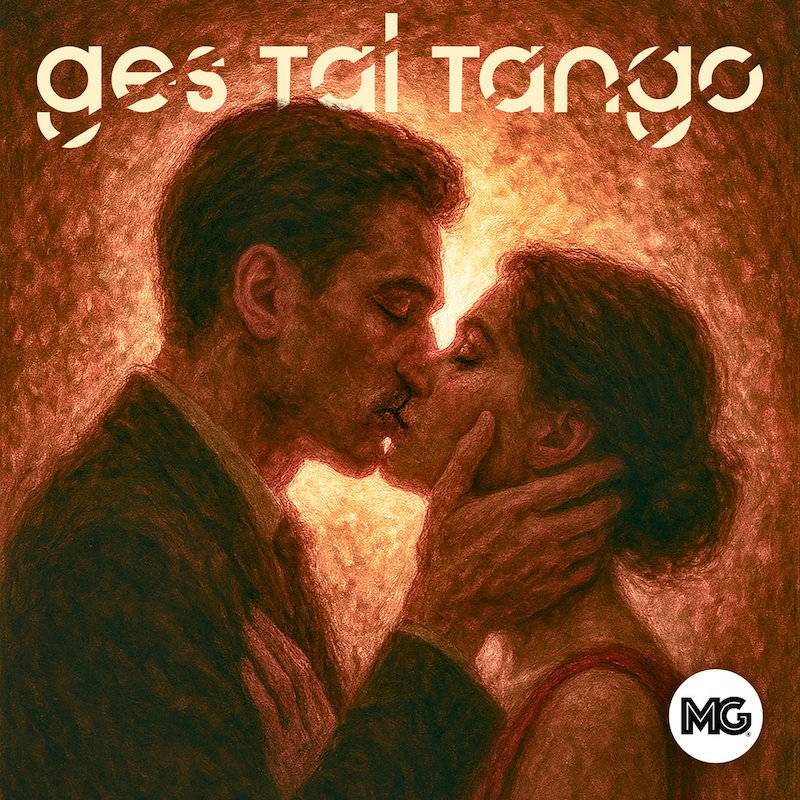
A Musical Celebration of Gestaltango
To honor Gestaltango method's extraordinary global journey, Pavlos Mavromatis collaborated with Music Galore to create the track “Gestaltango — Shape of Tango · Σχήμα Τάνγκο” (listen here). Far more than an instrumental tango, this work is a landmark fusion of music, science, and human perception, crafted to reflect the method’s international evolution, from Toronto to Los Angeles, Chicago, New York, Vancouver, Seattle, and finally Thessaloniki, Pavlos’ birthplace.
This composition is the product of a unique interdisciplinary synergy:
· Mavromatis Institute (MI) provided the scientific and research foundation.
· Pablito Greco guided the brand identity and conceptual framework.
· Music Galore delivered a finely engineered sonic environment.
· Schedule Success connected the piece to emotional awareness and human development through music.
Gestalt Principles in Sound:
The track is intentionally designed using the structural laws of Gestalt psychology (Prägnanz, closure, continuity, proximity, similarity, figure–ground, emergence), translating perceptual science into music. Musical voices enact approach, withdrawal, reunion, and co-regulation, mirroring human relational dynamics explored in tango and Gestaltango practice. Lines are deliberately left incomplete to create open gestalts, evoking awareness, presence, and engagement—the same qualities the method cultivates in dancers.
Precision and Design:
Duration: 2 minutes 45 seconds, engineered to align with natural perceptual cycles, maintaining focused awareness while reflecting tango phrasing and closure arcs.
Typography & Visual Identity: Bayer Universal-inspired, Bauhaus-aligned design mirrors perceptual organization principles.
Emotional & Phenomenological Architecture: Sound, cover art, and visual design are crafted to invite the listener into a fully embodied perceptual experience.
“Gestaltango — Shape of Tango” is thus not merely accompaniment; it is a manifestation of the method itself, a living, auditory map of Pavlos Mavromatis’ exploration of dance, human connection, and perceptual insigh. A celebration of the globalization and maturation of Gestaltango.